 Alex Rivers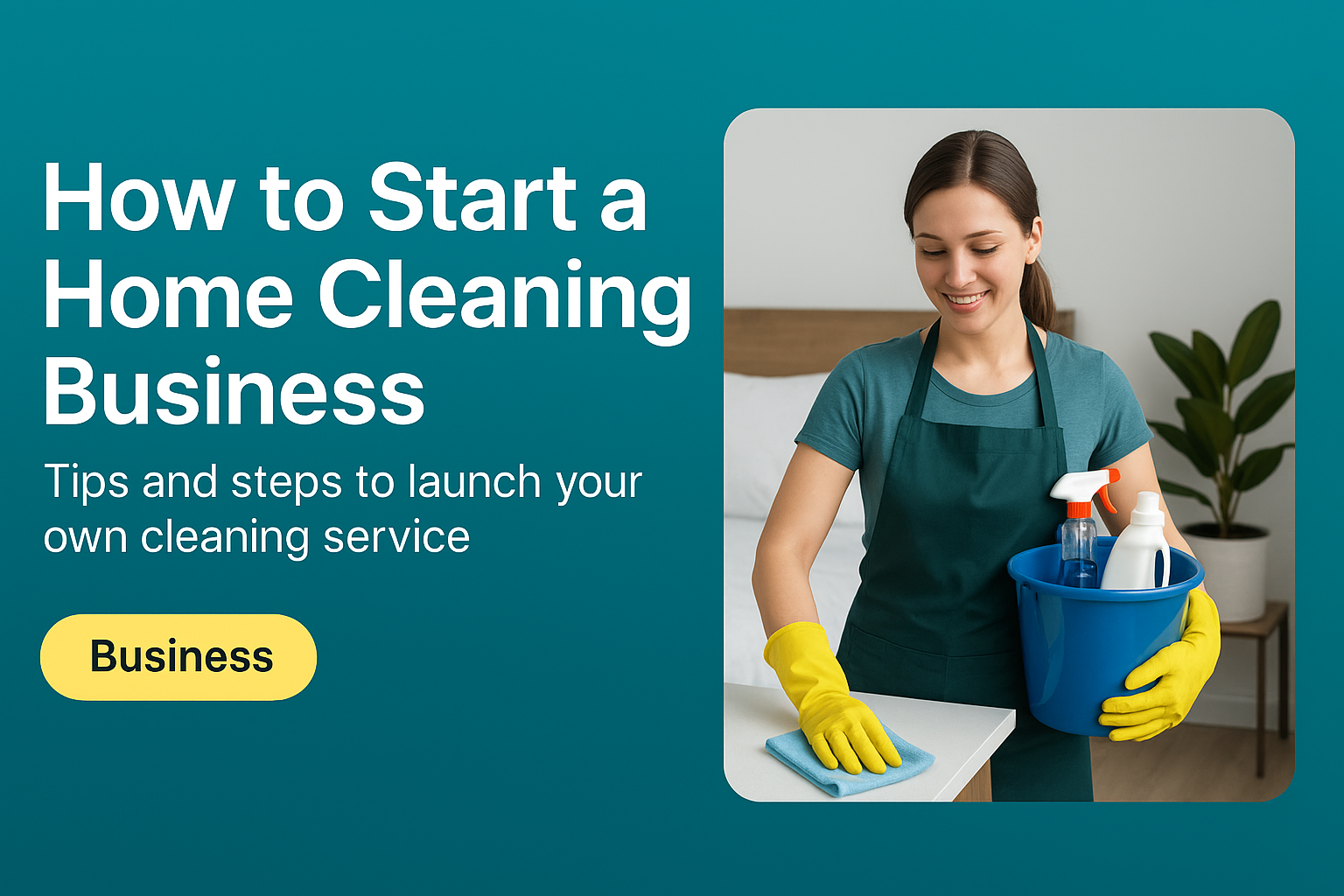
Are you dreaming of earning income on your own terms, with a schedule that fits your life? For many women, starting a home cleaning business can be the perfect path to independence and flexibility. It’s a business with low startup costs and evergreen demand – people always need clean homes! More importantly, it’s an accessible and empowering opportunity. You don’t need special degrees or a huge bank loan to begin – just hard work, smart planning, and the confidence to bet on yourself.
Starting a home cleaning business can be accessible and flexible for women balancing other responsibilities. With minimal upfront costs and the ability to set your own hours, this path to entrepreneurship offers both independence and income opportunities. The journey of building a cleaning business is not just about scrubbing floors – it’s about empowering yourself to become your own boss and achieve the work-life balance you desire.
Why a Home Cleaning Business? Many women (especially moms) find that a cleaning business is an ideal choice for several reasons:
-
Ultra-Low Startup Costs: You can start small without breaking the bank. In fact, some experienced cleaners say you can legally get started for under $1,000 if you use supplies you already have. Since you’re providing a service at clients’ homes, there’s no need for a storefront or expensive inventory.
-
Flexible Schedule: As your own boss, you set the hours. Want to work while the kids are in school or only on weekends? It’s up to you. You can accept clients that fit your schedule and turn down those that don’t. This flexibility makes it easier to balance family or other commitments.
-
High Demand: Cleaning services are always needed. Busy professionals, parents, and seniors all look for help keeping their homes tidy. The cleaning industry is booming with consistent, year-round demand, so you’ll have a broad base of potential customers in virtually any community.
-
Personal Empowerment: Building your own business is incredibly rewarding. You’re creating income on your own terms and proving that you can succeed independently. In fact, over 90% of house cleaning business owners are women (often moms) – they love this field because it’s simple, profitable, and rewarding. You’re joining a supportive community of women entrepreneurs and taking charge of your financial future!
Ready to turn that inspiration into action? Let’s break down the practical steps to launch your home cleaning business, from the initial plan to your first happy clients.
- Step 1: Plan Your Business and Define Your Services
- Step 2: Take Care of the Legal Basics
- Step 3: Stock Up on Cleaning Supplies and Equipment
- Step 4: Set Your Prices and Services Menu
- Step 5: Market Your Business and Find Your First Clients
- Step 6: Deliver Excellent Service and Grow at Your Own Pace
- Conclusion: You Can Do This!
Step 1: Plan Your Business and Define Your Services
Every great business starts with a plan. Begin by sketching out what you want your home cleaning venture to look like:
-
Choose Your Niche: Will you focus on basic residential cleaning (regular house cleanings), deep cleaning, move-out/move-in cleans, or maybe a special niche like eco-friendly cleaning? Narrowing your services helps you target the right customers. Many beginners start with general house cleaning – tidying rooms, cleaning kitchens and bathrooms, dusting, vacuuming, etc. – because it has the widest demand. You can always expand services later.
-
Know Your Market: Do a little homework about your local area. Are there many cleaning services already? What do they charge? A quick Google search of “house cleaners near me” can reveal competitors’ services and pricing. Talk to friends or neighbors who might have hired cleaners – what did they like or dislike about those services? Understanding what customers need (and what gaps you could fill) will give you an edge.
-
Pick a Business Name: Brainstorm a friendly, memorable name that reflects you or your values. It could be as simple as “[Your Name]’s Cleaning Services” or something catchy like “Sparkling Homes Co.” Make sure the name isn’t already in use in your area. This name will go on your marketing materials and maybe a simple Facebook page or business card, so make it appealing and professional.
-
Set Goals: Think about how much time you can dedicate and how much income you aim to make. Is this a part-time side hustle for extra money, or do you plan to grow it into a full-time operation? Setting clear goals (e.g., “I want 5 regular clients within 3 months”) will guide your decisions in the next steps.
Taking time to plan will give you confidence as you move forward. Once you have a vision for your business, you’re ready to make it official and legal.
Step 2: Take Care of the Legal Basics
Starting a business comes with a few legal and administrative tasks, but don’t worry – they’re fairly straightforward for a small cleaning business:
-
Register Your Business: Decide on a business structure and register your business name. Many solo cleaners begin as a sole proprietor (or the equivalent in your country) because it’s simple. This might involve registering a “Doing Business As (DBA)” name with your city/county or a government agency, often for a small fee (in some places as low as $20–$50). If you prefer to separate your business legally, you could register an LLC for liability protection, but that can usually wait until you’re a bit established. Choose what makes sense for your situation and local laws.
-
Obtain Necessary Licenses/Permits: Check if your city or state requires a general business license or any permit for cleaning services. In many areas, you just need to register the business and you’re set. Some places might require a basic license to operate a service business – a quick call to your local small business office will clarify this. Since cleaning doesn’t typically involve regulated activities, no special certification is usually needed – just a willingness to work and knowledge of safe cleaning practices (always read product labels and use chemicals safely).
-
Get Business Insurance: This step is highly recommended. Cleaning someone’s home involves trust and responsibility – you want to be protected in case of accidents. A general liability insurance policy for a small cleaning business will cover things like accidental damage (say you knock over an expensive vase) or if a client gets hurt due to your work. The good news is insurance for a solo cleaning business is quite affordable, often only a few hundred dollars per year. Having insurance also looks professional and can give you and your clients peace of mind.
-
Set Up Business Finances: Open a separate bank account for your business if possible. It helps keep your income and expenses organized (and makes tax time easier). You might also consider simple bookkeeping software or even a spreadsheet to track what you earn and spend on supplies, mileage, etc. When you’re just starting, keep it simple – but do keep records. Paying taxes on your earnings is required, so tracking income will help you stay on top of that. As you grow, you can formalize accounting, but in the beginning a dedicated account and basic recordkeeping will do.
Pro Tip: Taking care of these basics not only keeps you legal, it also makes you feel like a real business owner! There’s a confidence boost that comes from getting your paperwork in order and knowing everything is set up correctly. Once you’ve completed these steps, you can truly say you are the owner of a home cleaning business – congrats! Now, let’s get what you need to actually start cleaning.
Step 3: Stock Up on Cleaning Supplies and Equipment
One empowering aspect of a home cleaning biz is that you don’t need fancy offices or pricey equipment – a few basic tools will get you started. Here’s your shopping (or scrounging) list:
-
Cleaning Supplies: Gather the essentials you’ll use at every job. For most homes, you’ll need an all-purpose cleaner, glass cleaner, bathroom cleaner (or disinfectant), floor cleaner, and perhaps specialty cleaners for wood or stainless steel if you encounter those. You likely have favorites from cleaning your own home – you can start with those. Don’t forget supplies like paper towels, scrub pads, sponges, garbage bags, and microfiber cloths.
-
Equipment: The big items are a reliable vacuum cleaner (with attachments for corners and upholstery) and possibly a mop and bucket for floors. Add a broom and dustpan for quick crumb cleanups. A duster (or extendable dust wand) is great for cobwebs and ceiling fans. None of these have to be industrial-grade; a good household vacuum and mop work fine to start. Ultimately, all you need are the right cleaning products and a way to transport them to each client – which could be just your car and a sturdy caddy or tote to carry supplies.
-
Protective Gear: It’s wise to have a pair of rubber gloves to protect your hands from chemicals and grime. If you’ll be using harsher cleaning agents or generating dust, a mask and even goggles can be useful, but for routine house cleaning, gloves are usually enough. Comfortable clothes or a simple apron will keep your personal outfits from getting bleached or dirty.
-
Optional Nice-to-Haves: A small stepstool for reaching high spots, a caddy to organize sprays and cloths, and knee pads if you’ll be scrubbing floors by hand can all make the job easier. As you take on more clients, you might invest in a better vacuum or specialty tools, but you can absolutely start with what you have. Many cleaning business owners bootstrap with their home vacuum and basic cleaners.
Checklist – Basic Supplies You Need: Vacuum cleaner, mop and bucket, broom and dustpan, duster, microfiber cloths, sponges/scrubbers, trash bags, rubber gloves, and a selection of all-purpose, glass, and bathroom cleaners. If you have these, you’re ready to tackle most jobs. And remember, you can buy supplies as you get paid – you don’t need a mountain of inventory from day one. With your tools in hand, next you’ll figure out how to charge for your sparkling services.
Step 4: Set Your Prices and Services Menu
One of the trickiest parts for new entrepreneurs is figuring out what to charge. Pricing your cleaning services properly ensures you earn a good income for your time while staying attractive to clients. Here are some pricing tips:
-
Research Local Rates: Cleaning rates can vary by region. Look up what other cleaners in your area charge. You might find hourly rates (e.g. $25–$40 per hour) or flat fees like $100 per house for a basic cleaning. Take note of the going rates for both standard cleanings and deep cleans. This gives you a ballpark range to work with.
-
Decide Hourly vs. Flat Fee: When starting out, it’s common to charge by the hour, say $20–$30/hour as a newbie, and adjust as you gain experience. Some experts actually recommend charging a flat fee per job instead of hourly. For example, you estimate a typical three-bedroom house cleaning is worth $120. The advantage of a flat fee is that if you become faster over time, you effectively earn more per hour. However, as a beginner it’s OK to use an hourly rate to ensure you’re covering your time. You can gradually transition to flat pricing once you know how long tasks take you.
-
Don’t Undervalue Yourself: It might be tempting to set super low prices to attract clients, but remember that cleaning is hard work and your time is valuable. Charge an amount that feels fair for your effort. Women business owners sometimes feel pressure to give discounts, but this is a business, and you deserve a sustainable rate. It’s better to start at a moderate price and deliver great quality – clients often don’t mind paying a bit more for someone they trust to do a good job.
-
Offer Packages or Add-Ons: You can structure your services to boost earnings. For instance, your base rate might cover standard cleaning of living areas, kitchen, and bathrooms. Then you can have add-on fees for extras like cleaning inside the fridge, washing windows, or doing laundry. For example, “$30 extra for inside oven cleaning” on request. This way, clients can customize what they need, and you get paid for any extra time those tasks take.
-
Provide Estimates: When speaking to a potential client, gather info about their home (size, number of rooms, pets, level of cleaning needed) and provide an estimate. Initially, you may err on the lower side to win the job, but track how long it actually takes. Aim to earn at least your target hourly rate – if you estimated $100 but spent 5 hours, that’s only $20/hour, so you’d know to charge more next time. With each job, you’ll get better at quoting prices that are profitable for you. Experienced solo cleaners often raise their rates to $40+ per hour once established, so keep evaluating your prices as you gain skill.
Pricing Example: One cleaning coach suggests starting at about $100–$125 for a typical house cleaning as a beginner, which often works out to roughly $25–$30 per hour. As you become more efficient, you could increase your flat fee and end up earning $40 or more per hour as your “hidden” hourly rate. The key is to ensure your prices cover your time, supplies, and effort with a margin of profit – you’re running a business, after all!
If math isn’t your forte, don’t worry. You can use simple tools like a spreadsheet or even a pricing calculator template to plug in your costs and desired hourly rate to calculate what to charge. There are even free house cleaning pricing calculators online to play with. Over time, you’ll find a pricing sweet spot where clients feel they get a great value and you’re happy with your earnings.
Step 5: Market Your Business and Find Your First Clients
With your business officially set up, supplies in hand, and pricing decided, it’s time to get some clients! In the beginning, marketing is all about letting people know about your new cleaning service and convincing them to give it a try. Here’s how to start building your client base:
-
Tap into Your Network: Start with the people you know. Let friends, family, neighbors, and colleagues know you’re available for cleaning services. You might be surprised – someone often knows someone looking for help cleaning. Personal referrals build trust fastest. You could even offer a “friends and family” discount for the first clean to encourage people to try your service, with the understanding that if they’re happy they’ll spread the word.
-
Print Simple Flyers or Business Cards: Old-fashioned, but still effective locally. Create a one-page flyer advertising your services, or get some low-cost business cards. Include your name, contact info, what services you offer, and maybe an introductory offer (like “$20 off the first cleaning” or a free add-on service for new clients). Post these on community bulletin boards at supermarkets, libraries, community centers, or daycare pickups – anywhere your target customers might see them. You can also drop flyers in mailboxes in upscale neighborhoods you want to work in (just be mindful of local solicitation rules). If design isn’t your thing, don’t worry – you can find free cleaning flyer templates online to customize.
-
Use Social Media & Local Online Groups: Create a simple Facebook page or Instagram account for your business where you can post before-and-after cleaning photos, cleaning tips, and promotions. Join local Facebook groups (many towns have a “[Town Name] Moms” group or community group) and look out for people asking for cleaner recommendations. When you see someone looking for a cleaner, you can mention that you’re available and would love to help. Platforms like Nextdoor or neighborhood apps are also great for getting the word out to nearby residents.
-
Offer a Launch Special: To drum up initial business, consider a limited-time deal. For example, “First 3 clients to book get 50% off their first cleaning!” or a free service upgrade. People love a deal, and once you impress them with your work, they often become regular customers at your normal rate. Just be careful not to undervalue yourself long-term – use specials strategically to get those first few jobs and reviews.
-
Ask for Reviews and Referrals: Once you do land a client or two, always ask for feedback and a review. Happy customers can leave a review on your Facebook page or simply write a testimonial for you to use in marketing. Word-of-mouth is powerful in the cleaning business. You might even implement a referral incentive, like “Refer a friend and you both get $20 off a cleaning.” This encourages your early clients to tell others about you. As one cleaning business expert notes, over time word of mouth will be your greatest ally in getting clients.
Remember, when you’re just starting, you are the brand. People will hire you because they trust you or someone who referred you. Be reliable, friendly, and do a thorough job, and your reputation will grow. Many women start by cleaning for a friend or two, and before long, they have a full schedule just from referrals.
Step 6: Deliver Excellent Service and Grow at Your Own Pace
Congratulations – you’ve landed some cleaning jobs! Now it’s all about providing great service and building on your success. Here are final tips as you get to work and look toward the future:
-
Consistency is Key: Always do your best work, even for a discounted first job. Quality results (fresh, sparkling rooms and satisfied clients) lead to repeat business. Little touches like neatly arranging couch pillows or leaving a “thank you” note for the client can make you stand out. Treat each home with care and respect as if it were your own. Reliability matters too – show up on time and finish on time. These professional habits will earn loyalty and referrals.
-
Manage Your Schedule: As you pick up more clients, stay organized. Use a planner or calendar app to track appointments. Some clients may want weekly service, others bi-weekly or monthly. It’s okay to start slow – even cleaning just 2 days a week can be lucrative; one mom built her business to $55,000 a year profit working only those 2 days. You get to decide how many clients fit your life. If you ever feel overbooked, you can pause taking new clients or consider referring them to a fellow cleaner until you’re ready to grow.
-
Learn and Improve: With each cleaning, you’ll become more efficient and pick up tricks (like the best order to tackle rooms, or which products work fastest). You might also educate yourself via YouTube tutorials or cleaning blogs for pro tips. No formal experience is required in this industry, but improving your skills will boost your confidence and your customer satisfaction. If a client ever has a suggestion or mild criticism, take it as a chance to learn and thank them for the feedback.
-
Think About Growth (When You’re Ready): Down the line, you might consider expanding. This could mean taking on more clients (and possibly working more hours) or even hiring an assistant or team to handle more jobs. There’s also the option to specialize (for example, in eco-friendly cleaning with green products, or in organizing and decluttering as an added service). But remember: growth is your choice. Some women keep their business solo and small to maintain that personal touch and flexibility. Others scale up into a larger company. The beauty of owning the business is you get to choose the path that best suits your life and goals.
-
Stay Empowered: Whenever challenges arise – maybe a slow week, a tough stain to clean, or the juggle of family and work – remind yourself why you started. You wanted independence, flexibility, and control over your income, and that’s exactly what you’re achieving. Every satisfied client and every invoice paid is proof that you are building something of your own. It’s incredibly empowering to see that you can provide a valuable service and be compensated fairly for it. Plus, you’re serving as an inspiration to your family and community, showing that with initiative and effort, a woman can successfully run her own business in a traditionally low-cost, flexible field.
Conclusion: You Can Do This!
Starting a home cleaning business is not just about making homes shine – it’s about shining a light on your own potential. With a bit of courage and a lot of determination, you can transform a simple skill into a source of income and pride. This journey offers the chance to be there for your family (no rigid 9–5 hours!), to support your financial goals, and to grow personally and professionally. Remember, thousands of women have started exactly where you are and have built thriving cleaning businesses – now it’s your turn.
Before you go, here are a few free resources and next steps to set you up for success:
-
Startup Checklist: It’s helpful to have a simple checklist so you don’t miss any steps as you launch. We’ve put together a downloadable Cleaning Business Startup Checklist that covers everything from registration to your first client. (For example, Jobber offers a free checklist PDF for starting a cleaning business.) Use a checklist to track your progress and stay organized.
-
Sample Service Flyer Template: Want to make a flyer or social media post to advertise your services? Consider using free templates from Canva or similar sites to create a professional-looking flyer. Having a template ready means you can quickly tweak it for Facebook posts, community boards, or emails to potential clients. (There are many free cleaning flyer designs out there – find one that fits your style!)
-
Pricing Calculator: Ensure your pricing covers your costs by using a basic pricing calculator. You can find spreadsheet templates or online calculators specifically for house cleaning. Enter details like the size of the home and tasks required, and they’ll suggest a price range. This takes some guesswork out of quoting jobs while you’re still learning the ropes.
You have the tools, and now you have the plan. The only thing left is to take action. As Alex Rivers (your business coach on this journey) would say: believe in yourself and start where you are. Every big success starts with a first step – in your case, perhaps that’s booking your first cleaning job or printing out your flyers. Go for it! The flexibility, financial independence, and personal empowerment you’ve been looking for are within reach through your home cleaning business.
Good luck, and happy cleaning – your future as an empowered business owner is just beginning!